By: Dr. Beth Templin Many of us know that our ears, eyes, and feet all work to help us stay steady on our feet. In order to improve your balance, the best approach will incorporate all 3 of these systems into your balance training.
 Living with bone-on-bone pain, due to osteoarthritis or rheumatoid arthritis, can significantly affect your quality of life. Traditional treatments like medications and injections offer relief for some, while others may seek alternative options to fully manage their symptoms.
 By: Dr. Beth Templin Most of the focus on decreasing falls looks specifically at Fall Prevention, or trying to prevent a fall from occurring in the first place. Falls still happen anyway, even with the best training. Because of this, the thought process is shifting towards preparing people on how to fall, otherwise known as Fall Preparedness.
 By: Dr. Beth Templin In the pursuit of living a long and healthy life, the concept of aging gracefully has become a focal point. However, the journey towards healthy aging doesn't have to be a solitary one. In fact, there's immense value in cultivating a community, a tribe, dedicated to supporting one another in this endeavor. Here are the many benefits of belonging to a Healthy Aging Tribe.
 By: Dr. Beth Templin On the heels of hosting Dr. Michael Greger on his “How Not To Age” Book Tour, we are getting more people interested in, and asking questions about, a Whole Food Plant-Based (WFPB) Diet.
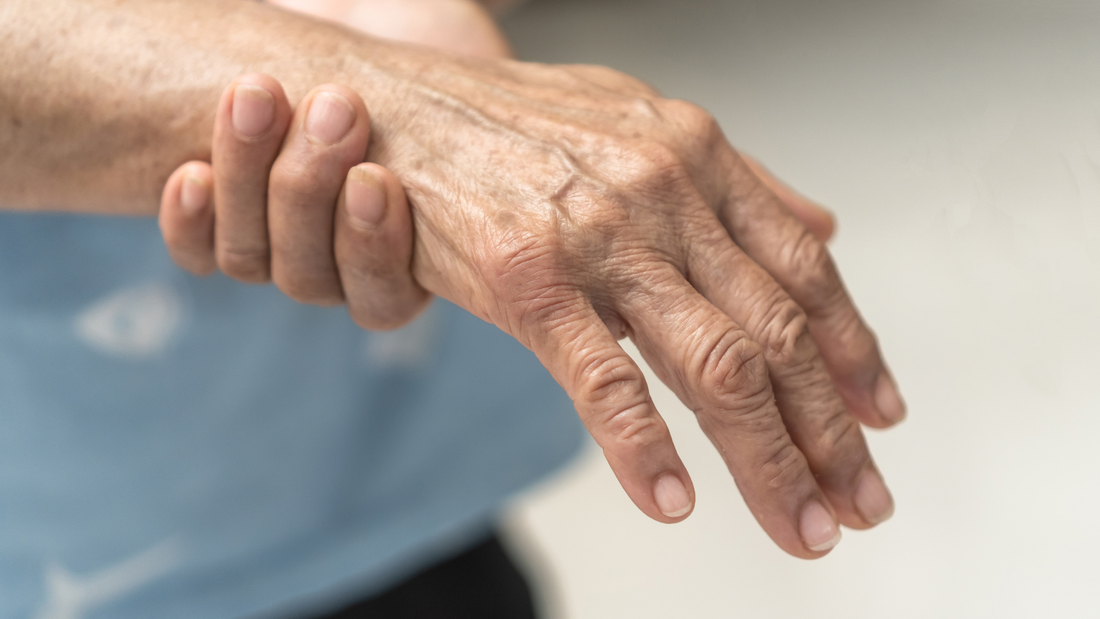 By: Dr. Beth Templin In last month’s article I highlighted the use of Regenerative Therapy for muscle and bone pain. This month I want to focus on a different type of pain that commonly affects older adults
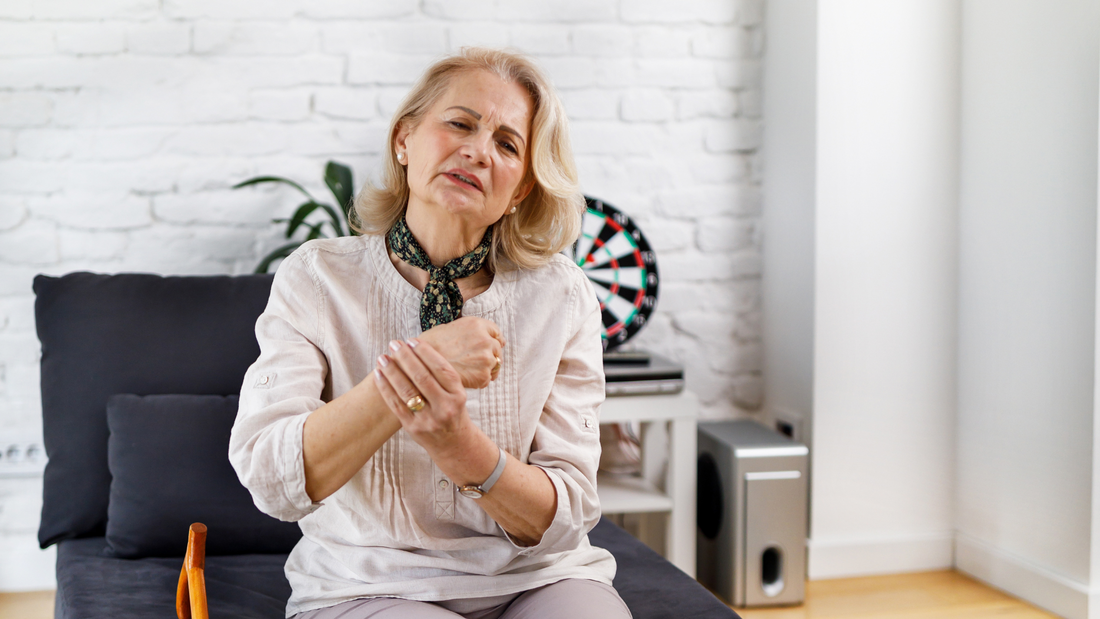 By: Dr. Beth Templin Chronic and recurrent pain are very common issues among aging adults. It can result in unnecessary suffering, loss of independence, isolation, and increased healthcare costs. Chronic pain is also a risk factor for premature death and accelerated memory loss.
 By: Dr. Beth Templin I was recently introduced to the concept of life space. By definition, it is a spatial representation of all the forces that control a person's behavior.
 By: Dr. Beth Templin There are three factors that lead to accelerated aging. They are inactivity, illness, and injury, otherwise known as the Triple Whammy of aging.
 By: Dr. Beth Templin
High intensity exercise is not only safe for aging adults, but has more benefits than exercising at a moderate level of intensity. What’s the difference? |
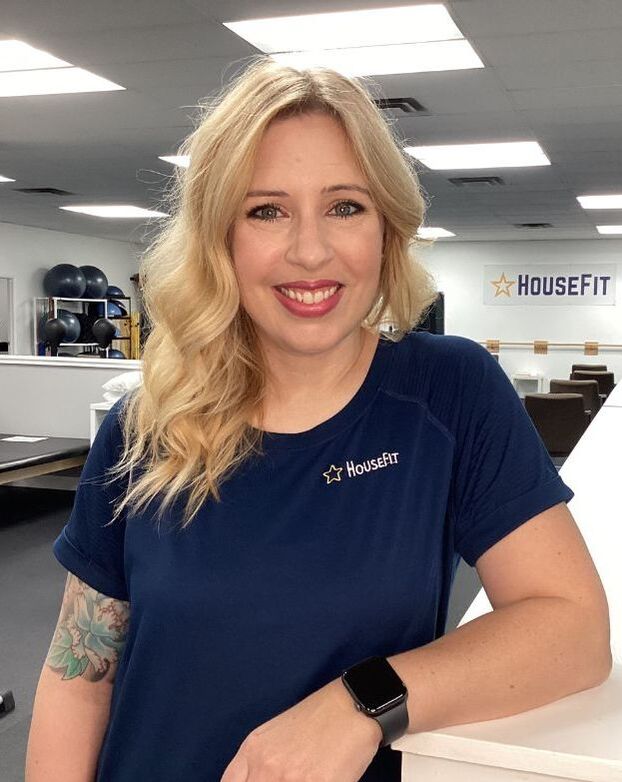
AUTHORDr. Beth helps adults 55+ maximize their independence and fitness, so they can continue to enjoy a full and active life. Archives
July 2024
Categories
All
|

 RSS Feed