We talk a lot about what we should do to age well: exercise, strength train, eat well, sleep, manage stress and stay active. But there’s another important piece of healthy aging that I don’t think we talk about enough. We need to measure how we’re doing.
I’m a data person. I love numbers. Not because I need every number to be perfect, but because they give me feedback and help me make decisions.
At my annual check-up, I pay attention to things like blood pressure, cholesterol and triglycerides. Those numbers help me see whether the dietary and lifestyle choices I’m making throughout the year are having the impact I want. On a daily basis, I use my WHOOP to track things like resting heart rate, heart rate variability, steps, time in different heart-rate zones, VO₂ max, sleep and recovery. Every few months, I do an InBody scan to look beyond my weight and see what I really care about: Am I maintaining my muscle mass? What is happening to my body-fat percentage? For me, these aren’t just interesting numbers. They are part of my healthy-aging strategy. One of the challenges with aging is that change often happens slowly. You probably won’t wake up one morning and suddenly realize that you’ve lost strength, muscle mass, balance or endurance. These changes can happen gradually enough that we adapt to them without even realizing it. The same thing can happen with progress. You may be getting stronger, fitter and more capable without recognizing just how much you've improved. I experienced this recently while training for my first ultramarathon. Over about a month, I watched my pace improve by two minutes per mile. Seeing that measurable improvement was incredibly motivating and showed me that my training was working. That’s the value of testing and tracking. It gives us a baseline, helps us recognize change and gives us the information we need to adjust our plan. If your numbers are improving, keep going. If they aren’t changing the way you hoped, or they're moving in the wrong direction, that information is valuable too. Now you have an opportunity to reassess, make some changes and test again. I realize I probably track more data than most people, and you certainly don’t have to track everything I do! The goal is simply to start somewhere. Maybe you start paying attention to your blood pressure or cholesterol. Maybe you track your daily steps. Maybe you establish a baseline for your strength, balance or walking speed. Or maybe you start monitoring your muscle mass with an InBody scan. Pick something that matters to your health and the life you want to continue living. Because without a baseline, it’s hard to know whether you’re maintaining, improving or slowly losing ground. We offer our current members Fitness Testing and InBody scans so you can track changes in your physical fitness and body composition over time. If you’ve never participated, start by establishing your baseline. If you already have previous results, come back and see what has changed. Healthy aging isn't just about how old you are. It's about maintaining the strength, mobility, endurance and physical abilities that allow you to keep doing the things you want to do. You don't need more data just for the sake of having data. You need enough information to know whether what you're doing is working. You’re already putting in the work to age well. Make sure you know whether that work is getting you where you want to go. Written By: Dr. Beth Templin
Stay up to date on information for healthy aging, special offers and events at HouseFit. Click on the button above and subscribe for our free monthly newsletter!
Comments are closed.
|
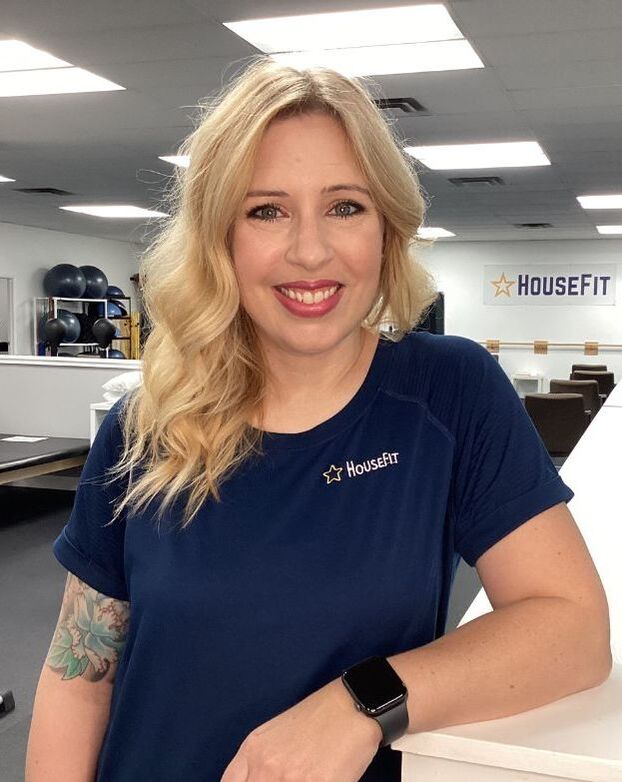
AUTHORDr. Beth helps adults 55+ maximize their independence and fitness, so they can continue to enjoy a full and active life. Archives
October 2026
Categories
All
|

 RSS Feed